Structural Engineering Considerations in Modular Operating Theatres
Structural Engineering Considerations in Modular Operating Theatres

Structural Engineering Considerations in Modular Operating Theatres
Modern healthcare facilities require operating theatres that are not only hygienic and
technologically advanced, but also structurally reliable and adaptable to complex medical
environments. Structural Engineering Considerations in Modular Operating Theatres
As hospitals increasingly adopt modular operating theatre systems, structural engineering
has become a critical part of healthcare infrastructure planning.
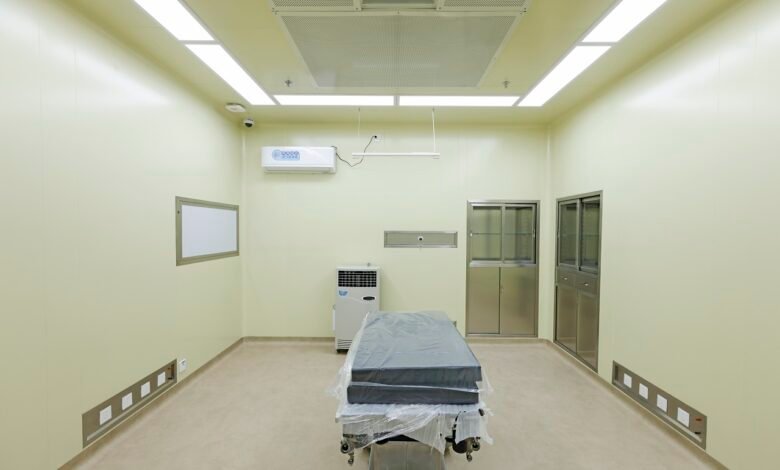
A modular operating theatre is far more than a simple prefabricated room. It is an
integrated surgical environment that must support advanced medical equipment, cleanroom
systems, HVAC infrastructure, and long-term operational stability while meeting strict
healthcare standards.
In this article, we explore the key structural engineering considerations involved in modular
operating theatre design and construction.
Importance of Structural Engineering in Modular OT
Design Structural engineering plays a central role in ensuring the safety, durability, and performance
of modular operating theatres.
Unlike standard commercial interiors, operating theatres must support:
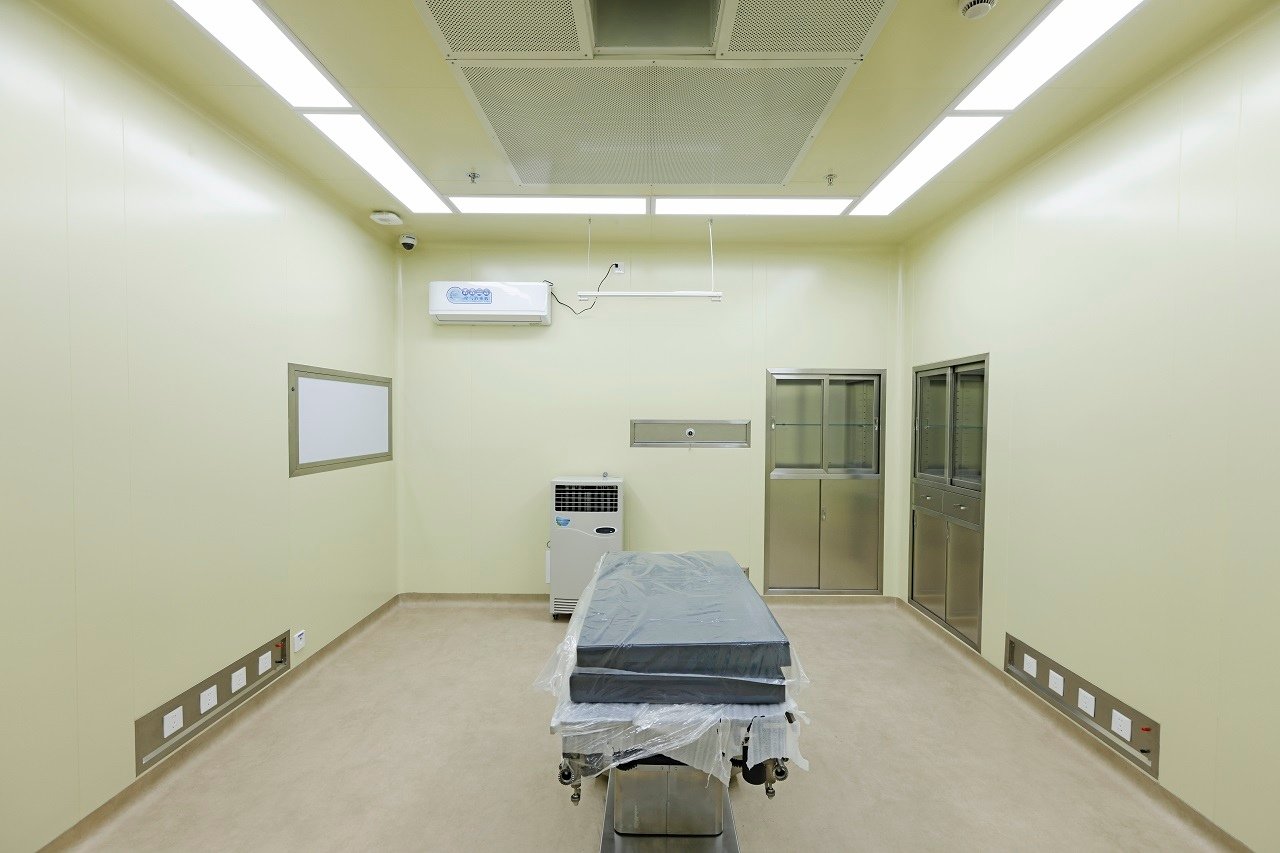
● Ceiling-mounted surgical lights
● Medical pendants
● Laminar airflow systems
● HVAC ducting
● Medical gas pipelines
● Integrated control systems
● Heavy imaging equipment in hybrid OTs
Poor structural planning may lead to:
● Equipment instability
● Ceiling deflection
● Air leakage
● Vibration problems
● Difficult maintenance access
● Reduced operational safety
Therefore, structural engineering must be carefully coordinated during the early design stage
of every modular OT project.
Load-Bearing Requirements
One of the most important structural considerations in modular operating theatres is
load-bearing capacity.
Modern operating rooms often contain heavy ceiling-mounted equipment such as:
● Surgical lights
● Medical pendants
● Monitors
● Imaging systems
● Laminar airflow canopies
The ceiling support structure must be engineered to safely handle both static and dynamic
loads.
In hybrid operating theatres, the structural requirements may be even more demanding due
to advanced imaging equipment such as:
● CT systems
● Angiography systems
● Robotic surgical platforms
Structural engineers must ensure that support systems are properly reinforced to prevent
long-term deformation or instability.
Ceiling Suspension Systems
The ceiling structure in a modular operating theatre is highly specialized.
Unlike traditional ceilings, modular OT ceilings must support multiple integrated systems
simultaneously.
Engineering considerations include:
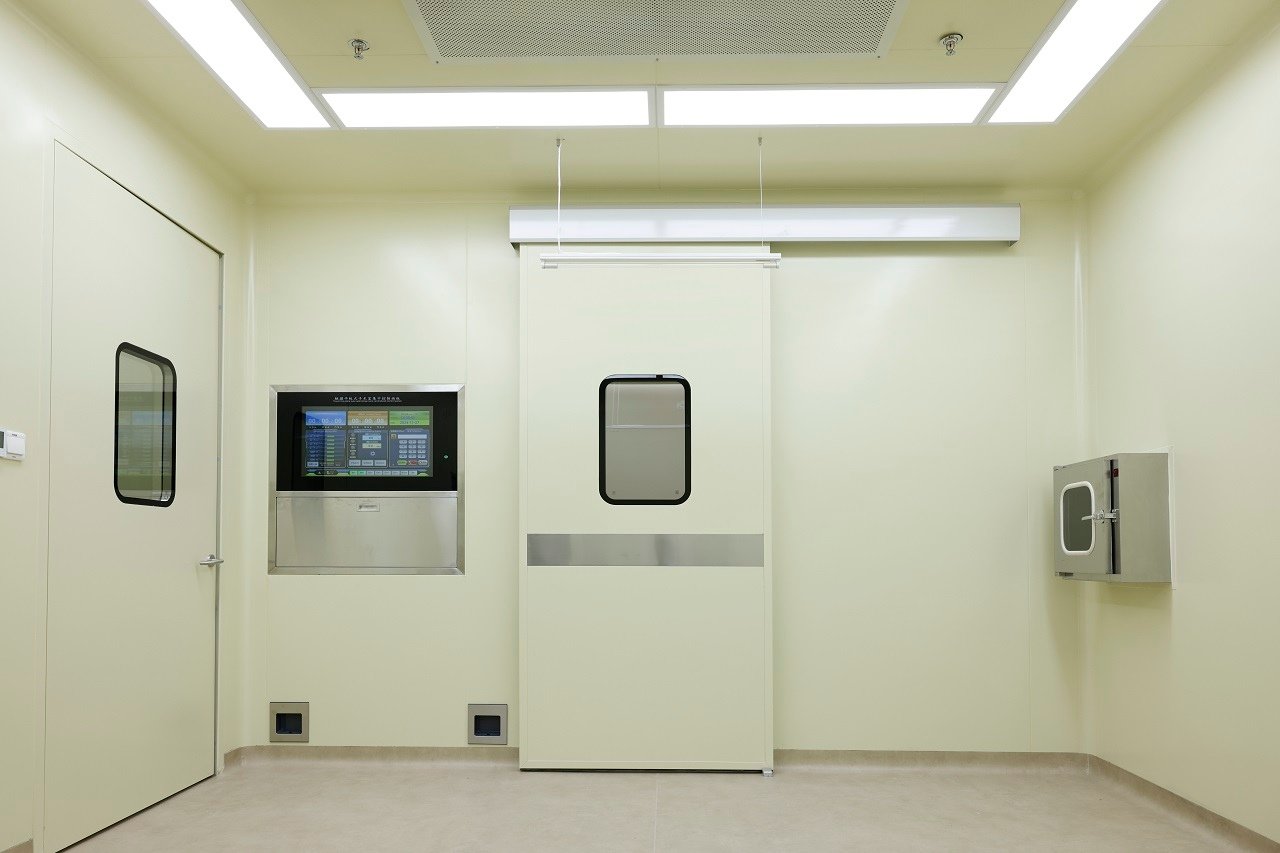
● Suspension load calculations
● Vibration resistance
● Equipment positioning
● Maintenance accessibility
● HVAC coordination
A well-designed ceiling system improves both safety and surgical workflow efficiency.
Wall Panel Structural Integration
Modular operating theatres typically use prefabricated wall panel systems made from:
● Stainless steel
● Powder-coated steel
● HPL panels
● Composite materials
These panels must provide:
● Structural stability
● Airtight performance
● Hygienic surfaces
● Easy maintenance access
Proper panel joint design is critical for maintaining cleanroom integrity and minimizing air
leakage.
Structural engineers must also ensure compatibility between wall systems and embedded
infrastructure such as:
● Electrical conduits
● Medical gas systems
● Data cables
● Control panels
HVAC and Airflow Coordination
Operating theatres require highly controlled airflow environments to maintain sterility.
Structural design must accommodate:
● HVAC ducting
● Laminar airflow systems
● HEPA filtration units
● Return air pathways
Improper structural coordination can interfere with airflow performance and pressure
balance.
In modular OT projects, structural engineers work closely with HVAC specialists to ensure
that:
● Ceiling layouts optimize airflow distribution
● Equipment positioning does not obstruct laminar flow
● Structural elements do not compromise cleanroom standards
This coordination is essential for infection control performance.
Vibration Control
Vibration control is another critical engineering consideration in operating theatre
construction.
Sensitive surgical procedures and imaging systems require stable environments with
minimal vibration disturbance.
Potential vibration sources include:
● HVAC equipment
● Mechanical systems
● Nearby construction activity
● Structural movement
● Building mechanical loads
Poor vibration control may affect:
● Surgical precision
● Imaging accuracy
● Equipment stability
Structural engineers must evaluate floor systems, support structures, and equipment
mounting solutions to minimize vibration transfer.
Seismic and Structural Safety Considerations
In earthquake-prone regions, modular operating theatres must comply with seismic
engineering standards.
Structural considerations may include:
● Seismic bracing
● Reinforced suspension systems
● Equipment anchoring
● Structural movement allowances
Hospitals require uninterrupted operation during emergencies, making structural resilience
extremely important.
Modular systems can often provide improved structural consistency due to controlled factory
manufacturing processes.
Flexibility for Future Upgrades
Healthcare technology evolves rapidly.
Hospitals may later upgrade:
● Surgical equipment
● Imaging systems
● HVAC systems
● Digital integration technologies
Structural design should therefore allow flexibility for future modifications without major
reconstruction.
Material Selection and Durability
Structural materials used in modular operating theatres must provide:
● Corrosion resistance
● Moisture resistance
● Chemical resistance
● Long-term durability
Operating theatres undergo frequent cleaning and sterilization using aggressive
disinfectants.
Materials must therefore maintain structural integrity and surface performance under
demanding healthcare conditions.
Importance of Integrated Engineering
Successful modular operating theatre construction requires close collaboration between:
● Structural engineers
● HVAC engineers
● Cleanroom specialists
● Medical gas engineers
● Electrical engineers
● Hospital planners
Integrated engineering coordination helps ensure:
● Structural reliability
● Infection control compliance
● Efficient workflow design
● Long-term operational performance
Turnkey modular OT providers often simplify this coordination process through centralized
project management.
READ MORE
The Role of Construction Materials Testing in Ensuring Infrastructure Durability
Calculate The Formwork For Columns Beam Girder And Slab
Why Using The Crank Bar In Slab Column RCC Beam
Five Types of The Building Construction